The Shift Toward Intelligent, Human-Centered Design
Website design in 2026 is defined by contrast. Artificial intelligence has become deeply embedded in how websites are built. At the same time, brands are pushing back against overly flat, sterile digital experiences.
The result is a new era of web design that blends AI-driven efficiency with warmth, depth, and authenticity. Today’s most effective websites are designed not just to perform but to connect with their users on a human level.
Here at Webspec, we’re constantly tracking the major trends in web design. Here’s a look at some of the top trends to watch this year.
Typography, Color, and Material-Inspired Design Trends
Instead of flat, generic visuals, modern websites are borrowing cues from the physical world to create experiences that feel more grounded and human. Typography, color, and texture work together to reinforce brand identity and support long-term growth, especially during a website redesign aimed at modernizing both form and function.
Confident Typography That Reflects Brand Voice
Typography in 2026 is used to clearly communicate tone and personality, not just display text. Brands are choosing typefaces that align with their voice—whether that’s bold and authoritative, friendly and conversational, or refined and professional.
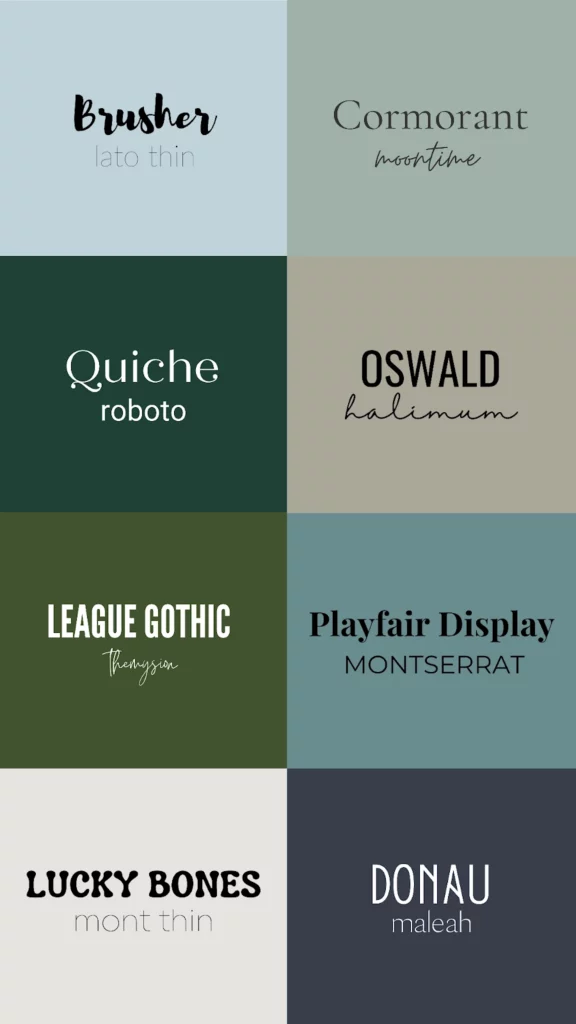
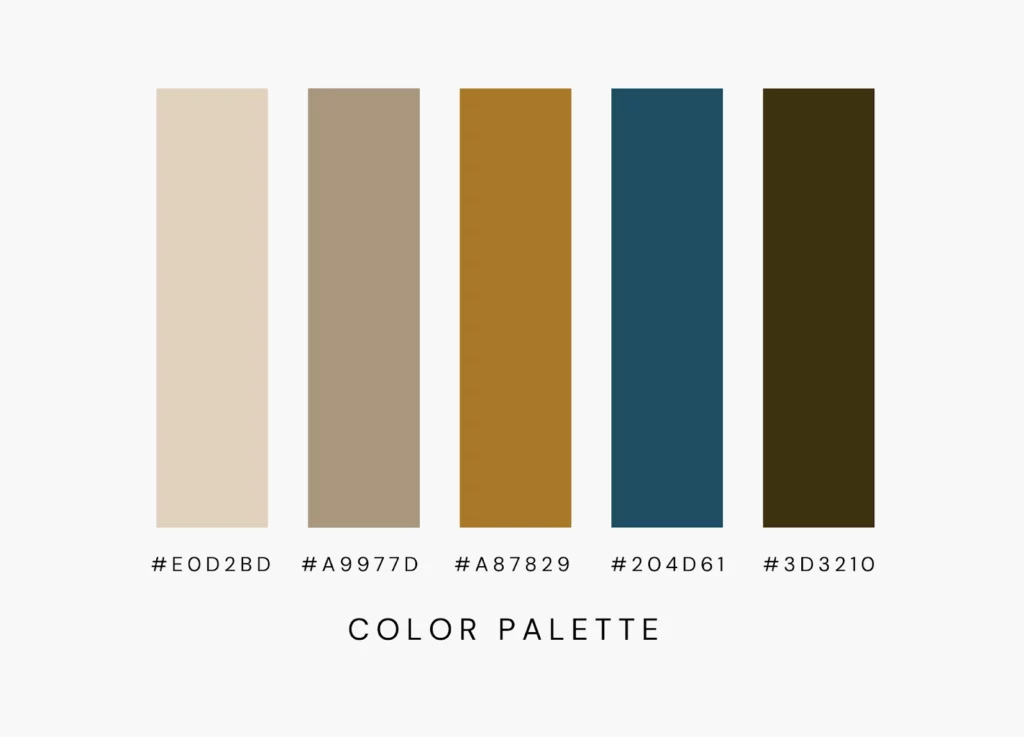
Natural, Earth-Inspired Color Palettes That Build Trust
Color systems are shifting toward warmer, earth-inspired tones that feel grounded and approachable. These palettes reduce visual fatigue and help websites feel more human and trustworthy.
Material-Inspired Textures That Add Depth Without Distraction
Subtle textures are being used to introduce depth and tactility without slowing down performance or cluttering the interface. These details help break up flat layouts while keeping the focus on content.

Visual Systems That Stay Consistent Across Web and Marketing
Modern design systems are built to scale across websites and digital marketing channels. Typography, color, and texture choices are documented and reused to ensure consistency at every touchpoint.
When these elements are aligned, design becomes a strategic asset—not just a visual layer. Brands that connect typography and color decisions to their broader branding strategy and ongoing digital marketing services create cohesive experiences that feel intentional across every touchpoint.
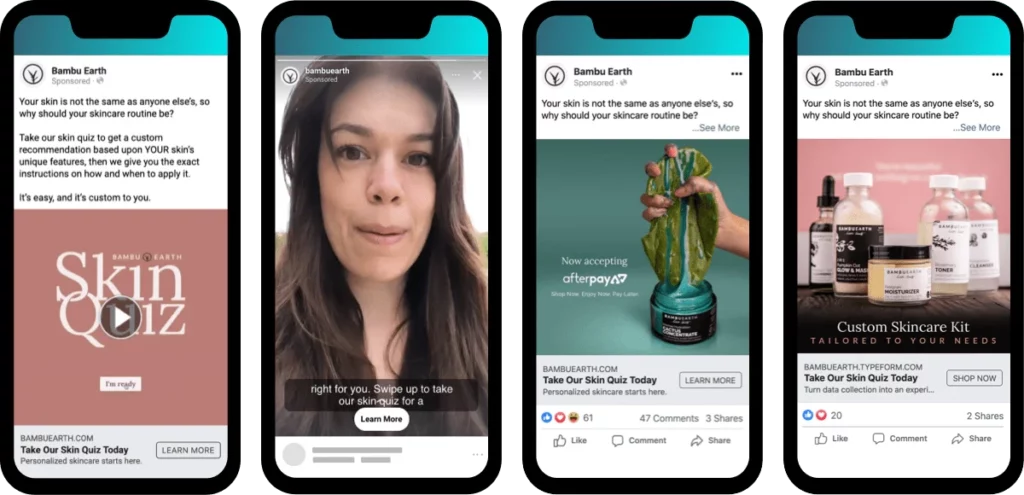
Blending AI Efficiency with Hand-Crafted Visual Details
As AI becomes embedded in modern web design, the differentiator is no longer speed—it’s craftsmanship. Websites that rely too heavily on automation risk feeling generic, while those that combine AI efficiency with hand-crafted visual details feel intentional and distinctive. This balance is central to forward-looking website redesign and UX initiatives.
Where human craftsmanship still matters most:
- Refining typography, spacing, and composition for readability and tone
- Adding texture, depth, and subtle imperfections that feel human
- Ensuring AI-driven personalization aligns with brand voice
- Making judgment calls that AI tools can’t replicate
When AI supports—not replaces—creative decision-making, websites become more adaptable and more authentic. Brands often deepen this approach by pairing AI-driven design with insights shared through educational blogs and UX-focused content, reinforcing trust long after launch.
Textures Are Making a Comeback in Modern Website Design
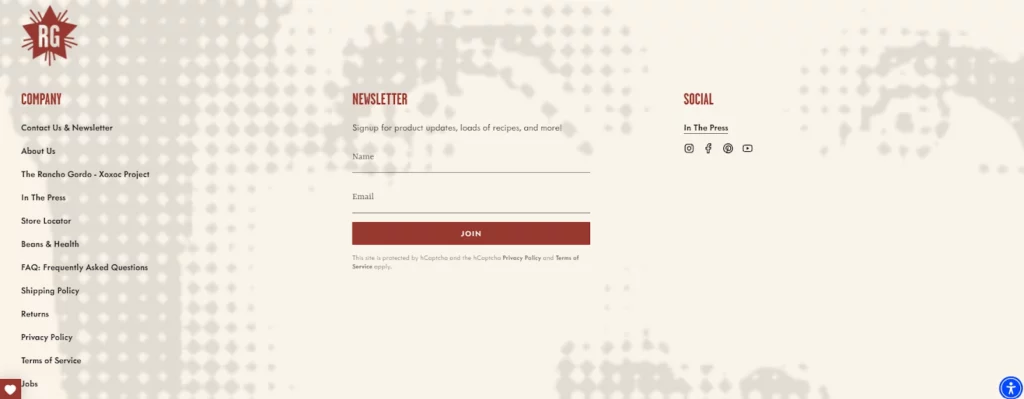
The return of texture in website design is a direct response to over-automation. As AI accelerates production and standardizes layouts, designers are intentionally reintroducing tactile elements to restore originality and human touch. In 2026, texture is less about visual flair and more about emotional resonance—helping brands feel crafted, credible, and distinct in a sea of similar-looking sites.
Adding Light Grain or Noise to Large Background Sections to Create Depth Without Visual Clutter
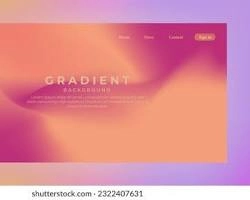

Using Texture to Support Brand Storytelling
Pairing Tactile Elements With Clean User Interface Patterns

Textures such as grain overlays, organic gradients, and material-inspired surfaces are being used to subtly break perfection and create visual depth. When paired with strong fundamentals like layout structure, performance optimization, and accessibility, textured design enhances the overall experience rather than distracting from it. This approach works best when texture is guided by strategy, not trend-chasing—something that’s often established during website design and strategy services.
Designing for Warmth and Authenticity
Today’s users want to know who they’re working with, what a brand stands for, and whether they can trust what they see online. Warm, authentic website design bridges that gap. It makes digital experiences feel less transactional and more personal, often guided by insights uncovered during website audits and redesign planning.
What authenticity looks like in modern web design:
- Clear messaging that speaks directly to user needs, not industry jargon
- Intentional whitespace and pacing that make content easy to digest
- Design decisions that support credibility, transparency, and trust
When combined with ongoing website optimization, SEO, and digital marketing services, warm and authentic design helps attract the right audience—and keeps them engaged.
What These 2026 Website Design Trends Mean for Businesses
Websites are central to how brands build trust, communicate value, and convert users. As AI makes it easier than ever to create a “generic” website, embracing these trends helps you show your brand’s humanity to your customers.
Successful brands in 2026 are treating their websites as living platforms that require ongoing attention and refinement to align with their branding and marketing strategies. The companies that benefit most from these trends are the ones making thoughtful, future-ready decisions that balance innovation with consistency.
Plan Your 2026 Website Design Strategy with Webspec
Website design trends are only valuable when they support real growth. If you’re considering updates to your design, user experience, or digital strategy, we’re here to help you make these decisions with confidence.
Get in touch with Webspec today to discuss your website and digital strategy.